
What Is a Ground Wire in Electrical Field for Those Who Want to Understand Everything
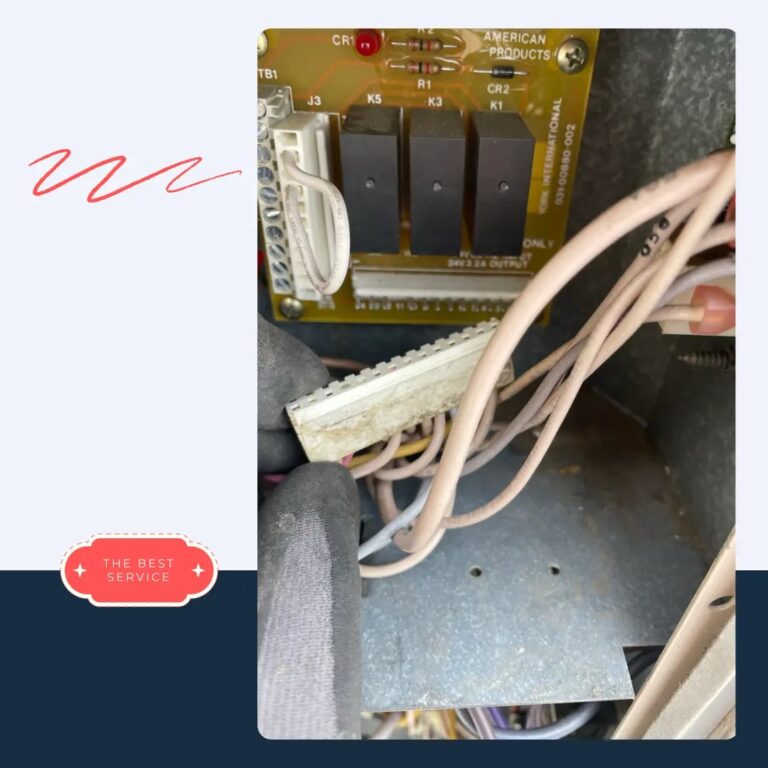
In a normal situation, electricity follows its proper paths: hot, load, neutral.
But if a device experiences internal damage — for example, a wire breaks, insulation wears out, the metal casing becomes energized — then the current starts looking for a short path into the earth. The hero of our story acts as an emergency exit in this situation. Its job is important and responsible, and therefore deserves your full attention. In this piece, Freon Service will cover the essentials of this topic.
Electricity Ground Wire and a Thunderstorm
The pranks of the thunder god are the most common reason to remember grounding. People usually don’t think about it until the sky begins to flash with all shades of orange. How exactly can this element of wiring handle the consequences of a lightning strike?
Here, we’ll provide a quick overview of this natural phenomenon. It is a massive electrical discharge. When it reaches the ground, its goal is simply to go deeper. Sometimes objects get in its way — for example, a residential building. Assuming it has grounding, when struck:
- The electrical energy travels into the depths beneath the foundation along a safe route. The electricity ground wire receives the impulse and immediately sends it to the correct address. In other words — very deep.
- This reduces the risk of:
- fire,
- burning out electronics,
- electric shock,
- damage to walls and roofing.
- Even if the surge enters the outlets, the energy is distributed through the grounding system.
- Damage to appliances is absent or minimal — even if they were plugged in.
What happens if the electricity ground wire wasn’t installed as part of the home’s wiring in time?
- The enormous power of the discharge has nowhere safe to go. A massive voltage spike travels through the wiring.
- The energy from it can:
- overheat the wires inside the walls,
- melt insulation,
- create a spark in an old panel,
- ignite the wiring.
- Appliances burn out. A terrible fate may simultaneously befall the:
- router,
- TV,
- computer,
- chargers,
- refrigerator,
- freezer.
- The action is heating up: device casings can become energized and shock both people and pets. This is especially dangerous:
- near water (bathroom, kitchen),
- with metal housings,
- when touching two devices at once.
Therefore, for homeowners without this vital wire, it’s important to unplug appliances and avoid using water while thunder rumbles nearby.
Do you know what may be even more important to do? Call Freon Service and fix this dangerous flaw in your wiring. Because it’s not just about bad weather.
The crucial part is: wiring is needed every day when electricity is used in the house. And here’s why.
Ground Wire Electrical and the Path of Current
Electricity always tries to go wherever it can pass most easily. Like water. If a pipe is intact, everything flows exactly where it should. But the moment a tiny hole appears, moisture immediately bursts out.
The same situation applies to a leakage path of current. There are several scenarios after which this dangerous traveler can head practically anywhere if it’s not stopped in time:
- Voltage surges
They are everyday, non-storm-related, and happen more often than you think:
- the elevator in the neighboring building started up,
- the air conditioner kicked in,
- the refrigerator turned on the compressor,
- something was switched at the substation,
- the network voltage dipped slightly.
All these “electrical jolts” look for a place to strike.
- Casing breakdown
If the hot wire touches the metal casing of a washing machine, water heater, or PC — the current instantly goes into the earth, the GFCI shuts off. Without a ground wire electrical, a person will feel a “bite.”
- Overheating of hidden wiring
If wires somewhere inside the wall:
- got chafed,
- overheated,
- the insulation cracked,
- a leakage current appears.
In a home equipped with everything needed for safety, the GFCI trips, the breaker pops. A fire does not start.
Otherwise, such a “silent leak” can smolder for months.
And yes — sometimes it ends tragically.
- Collection of stray currents and interference
All power supplies create mini-leakages. What is ground wire in electrical do in this case? It “collects” them, while giving you the following bonuses — which, I bet, you didn’t even suspect:
- less buzzing,
- less static electricity,
- fewer hums and noises in audio equipment.
- Formation of electrostatics
A combination of factors like dry air, friction, and synthetic carpets can generate quite a lot of static. It, in turn, can shock you and damage electronics.
The hero of our story takes these charges and politely but firmly sends them away.
What is Ground Wire in Electrical Panel?
In California, most homes were built with a full wiring setup, especially after the 1970s. But in the older neighborhoods of San Jose, there are houses with partial or missing ground. At the present time: it’s worth taking the effort to check whether you have this most essential element.
Fortunately, you don’t need to open the walls. There are simple steps:
- Look at the outlets
This is called the quickest check. Supposedly, if you have three-prong outlets, also known as “with a ground,” this explains everything.
In reality, it’s only a good hint, not proof.
Wait till you hear this: What is a ground wire in electrical system of your home if it has modern outlets but the “ground” isn’t connected to anything?
It looks safe, but in fact — it’s a fake.
- Inspect the plumbing
Let us tell you something unexpected: In San Jose homes, plumbing is often used as part of the grounding system.
Look for a thick copper wire attached with a clamp to a metal cold-water pipe.
If the plumbing is plastic and there is no ground rod, then the chances are high that the ground is missing.
- Buy an outlet tester
For just $7–$12 you get a small device that you plug into the outlet:
- If it shows OPEN GROUND, it means there is no grounding.
- CORRECT is a relief and peace of mind. It means the outlet is grounded.
Reality check: But what about the whole house?
- Inspect the breaker panel
Open the electrical panel and look for a thick bare or green wire going to:
- the metal plumbing,
- or a ground rod.
If yes — the house has a grounding system.
Sharp Question: Does Ground Wire Have Electricity?
For the answer, contact us. Don’t touch anything yourself. A Freon Service electrician will check:
- the entire circuit,
- the panel,
- the grounding rod,
- the connections,
- the resistance.
Here’s why you should leave it to a professional:
The panel is a potentially dangerous area:
- Inside it are the phase, neutral, and other wires.
- A careless movement or accidental contact with neighboring wires can result in an electric shock.
- Does ground wire have electricity? Usually not. But in case of a malfunction, it can become “live.” For example, if a phase wire touches a casing or metal part, the current will flow through the grounding wire. At that moment, touching the wire is dangerous.
If we cut to the chase, never skimp on safety. It’s better to call a professional once than to deal with the consequences of a short circuit later.